
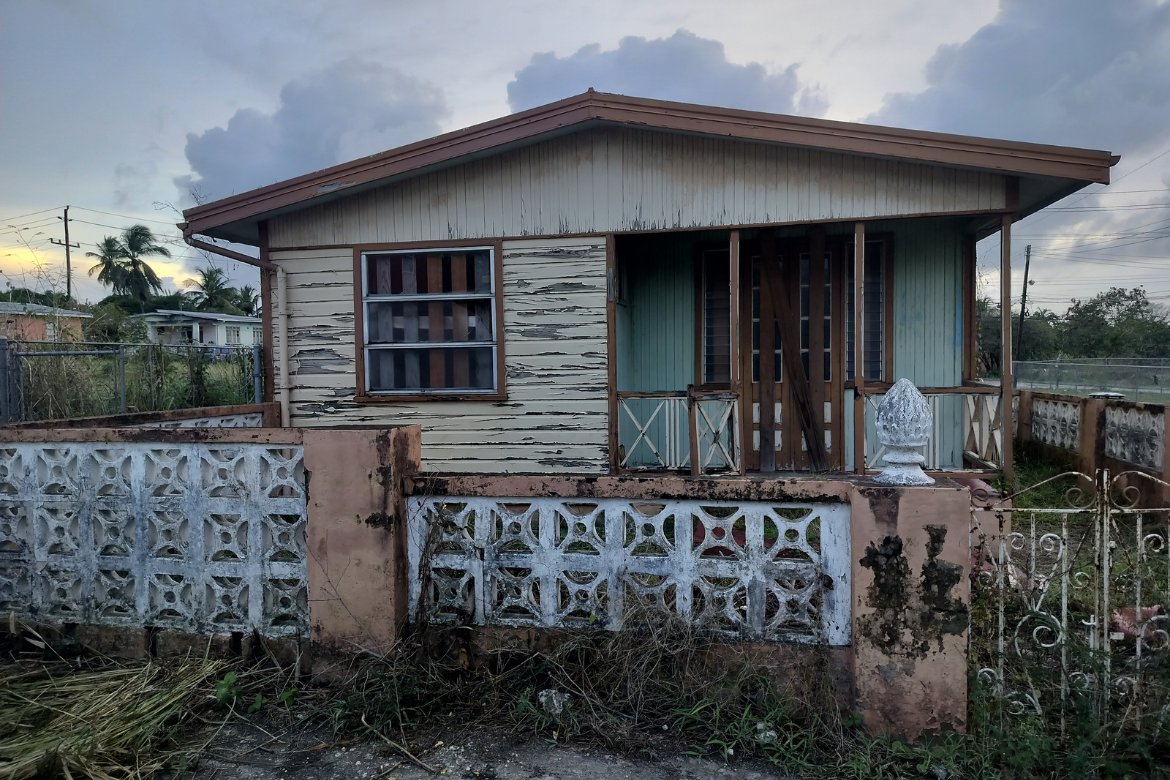
It has been a journey to get to this point, but I can happily say that I bought my first chattel house! This process was a unique experience that resulted in home ownership and a piece of the proverbial rock. For me, it is a symbol of achievement of an affordable and adaptable living option when real estate in Barbados is becoming increasingly difficult for the lower and middle classes.
Purchasing this chattel home required the same thought process as purchasing any other home. I had to assess the benefits and costs of the decision so that I could have a clear understanding of what this purchase would mean for my finances and lifestyle.
This was an important investment that came with considerations about various rules including ownership, permits, and customization. This experience has taught me that if you know what to expect, you are better equipped to make confident decisions and prepare for any challenges that may pop up along the way.
Understanding Chattel Houses
The term “chattel” refers to movable personal property, which applies to these houses because they can be transported as opposed to fixed real estate. Chattel houses, in the traditional sense are moveable homes, distinct from traditional fixed structures. They come with unique characteristics, varied designs, and a specific history that impacts how you own and manage them.
In my case, this chattel house is affixed to a permanent foundation, and the sale included the land that the home is built on. There are many chattel houses in Barbados to this day, that can be purchased and moved to your desired spot. However, they are rare and you will have to search far and wide to find a really good deal.
Historically, chattel houses originated in the Caribbean, as a solution for plantation workers needing affordable, flexible housing. These homes were simple, wooden structures designed for ease of moving. Over time, this concept has evolved, but the core idea of portability remains central to the chattel house’s identity.
Key Chattel House Features
Some of the key features of chattel houses include portability, lightweight construction, and independence from permanent foundations. Typically, chattel houses have wooden frames, are elevated off the ground, and use simple anchoring systems. These features make it possible to move the house without extensive disassembly.
My home could be moved to another spot if I wanted to move it. It is constructed of a hard wood (possibly greenheart), but it is anchored to a block and concrete foundation.
Inside, chattel houses often maximize limited space with compact layouts. They can include modern utilities like electricity and plumbing, though installation might differ from conventional homes due to their movable nature. Understanding these features ensures you know what to expect in terms of comfort and functionality.
My home is a modernized version of a chattel house. It was built in the 1980s, and features a wooden structure at the front and a wall (concrete blocks) addition at the back. The wooden section has three bedrooms, living room and dining room. The wall section currently has a bathroom and a full kitchen. If space permits, I will renovate the wall section to add a second bathroom.
Types of Chattel Houses
Chattel houses come in various forms, depending on materials, size, and design. You’ll find basic wooden cottages, modular prefab units, and modern versions with enhanced durability and amenities. The simplest types emphasize function and mobility, often raised on stilts or blocks to facilitate transport.
There have been some modern updates to the chattel house model. Some chattel houses are now available as DIY kits, allowing customization and adaptability. Others are fully built and delivered to your site. Knowing the type you want affects cost, setup, and maintenance needs, helping you choose the best fit for your lifestyle.
Alternatively, there is also the option to build your chattel house from wood or concrete. Modern chattel houses made from wood can be framed using either wood or metal. Chattel house inspired homes may be sturdier but will lack the ease of remodeling when the time comes. Many Caribbean architects can incorporate elements of chattel house architecture into modern designs.
Why I Chose to Buy a Chattel House
Choosing a chattel house allowed me to prioritize cost-effectiveness and the ease of remodelling. From a financial perspective, this chattel house cost less upfront than a masonry home. I can also customize the home without building approval, as long as I do not change the footprint. Additionally, because the home is mostly wood, I can make repairs and modifications without major construction work.
Another reason that I chose to buy a chattel house was to embrace the historical and cultural connection. I have always loved chattel houses, and this home is a symbol of the legacy of chattel house ownership in Barbados. Additionally, by keeping the footprint of the home intact, I feel as though I am paying homage to the resourcefulness and hard work of the original owners.
The Buying Process
When you are searching for a chattel house to buy, you need to carefully select the property, arrange financing that fits your budget, and comply with legal steps. Each phase requires attention to detail to ensure you secure the right property without unexpected complications.
Finding the Right Property
Start by identifying chattel homes that meet your needs and budget. If you are buying a house that will be moved to another spot, you have to consult with the Town and Country Planning Department for any zoning rules before you purchase.
Take some time and visit multiple properties to inspect their condition and location. Pay attention to amenities, structural integrity, and surrounding community. Some questions you should ask are:
- What utility connections are available in the area;
- Is there flooding when there are heavy rain downpours;
- Are there are any animal farms upwind;
- What are the types of crime in the area;
- Is there easy access to public transportation;
Use a checklist to compare properties on factors like price, size, access to roads, and maintenance costs. Prioritize properties that align with your long-term goals, whether for residence or investment.
It took me several years to find my chattel house. I searched local realty websites for chattel houses, but I could not find one in an area that I liked or at a price that I was willing to pay. Then, a family member said that she was going to sell her property (chattel house and land). So, I visited the property, and the rest is history.
Securing Financing
My experience with securing financing, was drawn out unnecessarily and there were several hiccups that could have been avoided. Because I was purchasing the entire property, the transaction was treated as a real estate transaction, and I was able to acquire a standard mortgage.
Lenders in Barbados have different requirements for purchasing chattel houses. During my search, I came across issues that could have negatively impacted me. One lender only gave 10-year mortgages for chattel houses, whilst another was only willing to finance chattel houses that were built from hard wood (e.g. purple heart or green heart wood) and not pine.
Be mindful that you may be required to pay higher interest rates, and shorter terms because you are purchasing or building a wooden home. This may also come with larger down payments and stricter credit requirements.
To submit my mortgage application, I had to provide:
- Loan pre-approval (prepared by the lender)
- Pay slips for three months
- Job letter
- Two forms of identification
- Proof of address
- Property valuation (prepared by a valuer recommended by the lender)
- Completed application form
Legal Requirements
My recommendation is to work closely with a trusted and knowledgeable attorney, whether you are purchasing via a lender or with your own cash. Although there was an option to use the lender’s attorney, which would have saved me some money, I chose to use my own attorney.
The attorney’s role in the property purchase is important because they have to verify that the property is in good legal order. They will research the deed and title status, ensuring the seller legally owns the home; they will also conduct research to see if there are any liens on the property or any other infractions that could delay the sale.
There was an issue that popped up during my attorney’s search. One side of the fence was encroaching on the neighbor’s property. This had to be removed, before the sale could be completed.
If you are purchasing a chattel house to move to your own land lot, once again contact the Town and Country Department to ensure that you are in compliance with local laws, and land regulations where the house will be placed. If you are placing the house on leased land, review your lease agreement carefully to avoid future disputes.
Insurance
As part of the mortgage process, you will be required to obtain insurance for yourself and the property. Even though you are responsible for paying for the policies, both policies will be assigned to the lender.
The first policy is a life insurance policy which will cover the loan if you die before the loan is paid off. This is a monthly obligation which will last throughout the life of the loan. The second policy is home insurance policy for the value of the property. Home insurance policies are payable once per year.
For my life insurance policy, I used a company that was recommended by a friend. The agent was helpful and offered excellent advice about the process. For the home insurance policy, I had to do some research. I contacted several insurance companies to find out their rates and eventually settled on the one that was most receptive and timely to my queries.
Renovations, Customizing and Upgrading
When I did the walk through before finalizing the purchase of the home, I knew that there were some renovations that I wanted to do. Because I knew that I was going to be on a tight budget, I decided to focus on practical upgrades that would enhance the home’s design and improve its functionality. My plan is to pay attention to thoughtful renovations, smart interior choices, and outdoor improvements that will increase comfort and maintain the home’s character.
Thankfully, there were no major structural issues to the house, so most of the improvements will be cosmetic. The interior and exterior will be repainted, the wall section of the home will be re-tiled, the wooden floors will be sanded and refreshed, the kitchen layout will be changed to make better use of space, the ceiling will be redesigned with new timber to create an attic space for electrical wiring, and hurricane straps will be added to the roof. There are a couple windows that will be repaired, and glass louvres will be replaced with modern windows. Additionally, all entry doors and interior doors will be replaced.
Additionally, electrical and plumbing are two important areas that will have to be worked on. Because the house is an older home (built in the 1980s), it will have to be rewired to meet current electrical standards and requirements. Additionally, the plumbing will have to be updated to be more efficient. New hardware in the bathroom and the kitchen will be added. Provisions will also be made for an indoor washer/ dryer combo unit.
Interior Decor
My vision for the home is a cozy space that reflects the warmth and historic feel of a chattel house without sacrificing modern comfort. I am hoping to use natural wood finishes and light pastel colors to brighten rooms and complement the style.
In the bedrooms, I will add built-in closets for storage, which will fit the smaller footprint of the home. New cupboards will also be added to the kitchen, and there will be a new bar area with additional storage.
The aim is to maximize space by choosing the right sized furniture and keeping the home uncluttered. I will also incorporate tropical elements such as woven rugs and native plants to create a comfortable, authentic atmosphere.
Lighting will be both functional and atmospheric. All light fixtures will use LED bulbs for efficiency. If the budget allows, I want to add at least one Barbadian inspired light fixture to the main living area.
Landscaping
The outdoor space will also be upgraded to highlight the home’s Caribbean roots. I will plant native tropical greenery such as hibiscus, palms, and bougainvillea around the property to provide shade and color. I am hoping to add some fruit trees which will help to keep around the home cool.
For curb appeal, I will power wash concrete areas and add container plants to prevent disruption to the paved areas. Where possible, I will create simple walking paths with natural stone or gravel to connect outdoor areas without heavy landscaping. This approach protects the structure and complements the home’s historic charm while adding value through curb appeal. A new fence will be also added to secure the property and create privacy.
Maintenance
Homes require maintenance and chattel houses are not excluded from this. My plan is to create a maintenance schedule that includes checking windows and doors, plumbing and electrical connections. After spending so much money to get this home, I want to do everything I can to sustain its value and prevent small issues from becoming expensive problems.
Frequently Asked Questions
Buying a chattel house is very similar to buying a traditional home, however, there may be some nuances that buyers may overlook. Here are a few questions that I have received since I told my IG family that I bought my first chattel house.
What is a chattel house?
A chattel house is a small, portable dwelling that is not permanently attached to land. Unlike conventional homes, it remains movable, granting you flexibility if you decide to relocate.
Where can I find chattel houses for sale?
One of the best places to find chattel houses for sale (just the house, not the land) is Facebook Marketplace. There are always good deals for chattel houses that must be removed from the spot. For chattel house and land sales, you can also find them on the marketplace as well as on local realtor sites.
How did I find my chattel house?
After a years-long search, I bought my chattel house from a family member.
Would I buy another chattel house?
Yes, I would love to buy another chattel house. If that is not possible, I am open to securing land and building my own.
How much does a chattel house cost?
Prices of chattel house and land combos vary depending on the age of the house, the location, the size of the land and the value of the property. Chattel houses that must be moved from their spots can range from as little as BBD 5,000 to BBD 50,000 or more.
What should I consider before purchasing a chattel house?
You should check if the house is on leased land or your own property, as this affects ownership and financing. Confirm what is included in the sale, distinguishing between fixtures and movable items.
What are the typical terms and conditions of a mortgage?
Mortgage terms in Barbados vary from lender to lender. However, credit unions will offer up to 30 years for a mortgage loan.
Who is responsible for property insurance and maintenance?
You, as the buyer and owner of the property, are responsible for property insurance and maintenance throughout the loan.
Related Posts
- What is a Chattel House?
- How to Build a Chattel House
- Permission to Build a Chattel House in Barbados
- Are Chattel Houses Hurricane Proof?
- How to Find a Good Contractor to Build Your Home
