
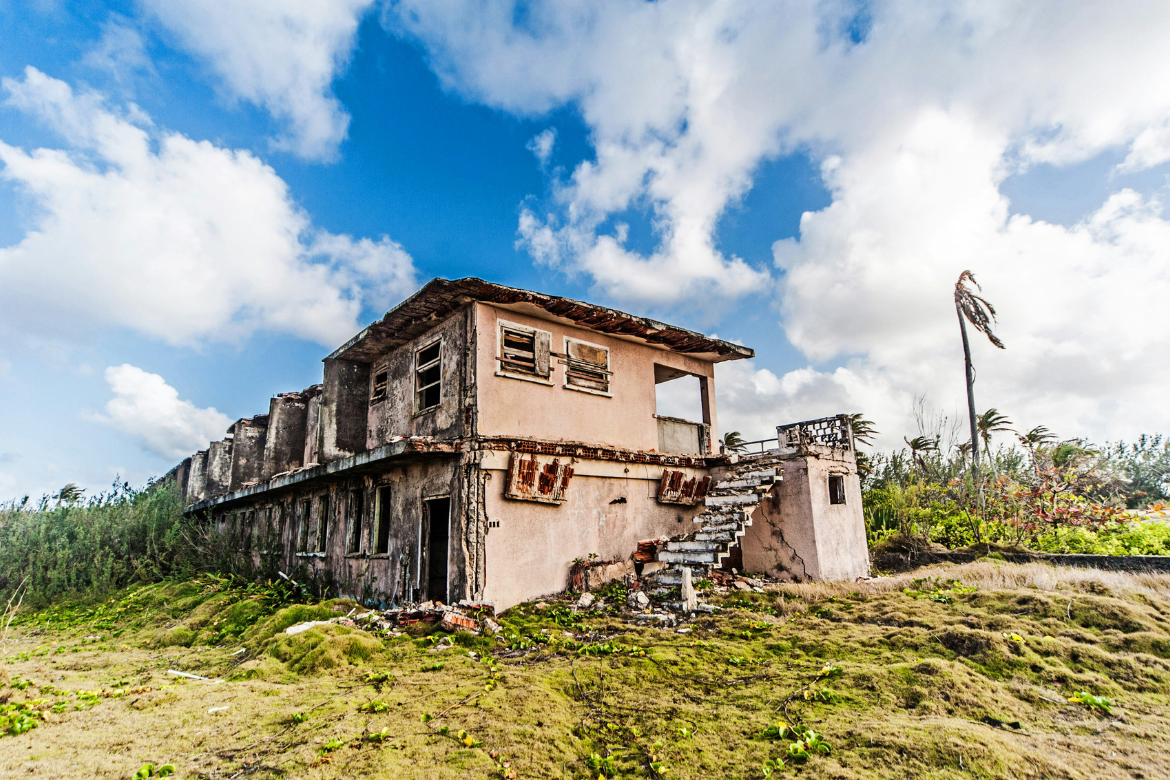
Living next to abandoned houses can create uncertainty and concern in your neighborhood. To manage this situation effectively, it’s important to understand both the impact of these properties and the steps you can take. Many homeowners feel helpless, but there are ways to address safety, property values, and community well-being.
Abandoned homes can lower the value of your property and attract illegal activities, which can affect your quality of life. By taking initiative, you can not only safeguard your investment but also contribute to revitalizing your community. Knowing how to reach out to local officials and engage with your neighbours can be crucial for bringing about change and improving the neighborhood.
Living near an abandoned house presents unique challenges, but you can take steps to mitigate its effects and even foster a more vibrant community. Keep reading to see how you can use practical strategies to address these challenges while emphasizing the importance of community action.
The Impact of Abandoned Houses on Communities
Abandoned houses can greatly affect the neighbourhoods around them. They can lead to issues related to safety, property values, and community aesthetics. Understanding these impacts can help you better address the challenges they present.
Safety Concerns and Crime
Abandoned houses often become hotspots for crime. They can attract vandalism, drug use, and other illegal activities. With no one to monitor the property, these houses may become shelters for individuals seeking to engage in criminal acts.
As a result, residents nearby may feel unsafe due to the potential for nearby crime. This anxiety can lead to a decrease in community participation, as people are hesitant to go out or engage with neighbours.
Moreover, vacant homes can become physical hazards. Broken windows, crumbling walls, and overgrown yards can pose risks, especially for children. Communities often find themselves dealing with the aftermath, leading to increased costs for repairs and safety measures.
Property Values and Tax Revenue
The presence of abandoned buildings can negatively affect property values. Homes located near these properties may see a decline in their market worth. This can arise from the stigma of living near an eyesore or potential safety risks.
Lower property values can also impact local tax revenue. When home values drop, property taxes decrease. This loss of income can affect funding for essential services like schools, roads, and emergency services.
Additionally, governments may need to spend more on maintaining neighbourhoods with vacant buildings, straining resources further. Active measures are often necessary to mitigate these impacts, which can create a cycle of decline in the area.
Aesthetic and Moral Effects
Abandoned properties can harm the visual appeal of a community. Overgrown yards and dilapidated structures can create an atmosphere of neglect. This not only affects residents’ pride in their neighborhood but can also discourage new families from moving in.
From a moral standpoint, many residents feel that abandoned houses signal a lack of care for the community. This can foster feelings of hopelessness or resentment among neighbours, especially those who invest in maintaining their homes.
Communities often band together to address these issues, yet the lingering presence of abandoned houses can create division. Programs aimed at improving these areas are crucial to restoring both beauty and unity.
Legal and Social Responses
Addressing abandoned houses requires a mix of legal actions and community efforts. Governments, residents, and non-profit organizations often collaborate to tackle the issues these properties create.
Government Initiatives
Governments play a key role in managing abandoned houses. They often have building and health codes that require properties to be maintained. If a house is found to be in disrepair, you can report it to the local health department or building department.
Additionally, governments may act through inspections and fines to encourage owners to address the issues. One idea is to implement “vacant property registries” where owners must register abandoned properties. This will help local authorities track the conditions of such homes. If abandoned homes are not registered, homeowners will have to pay a fine.
In extreme cases, the government can seize properties that are a danger to public safety. Programs may also exist to redevelop these properties, turning them into functional community spaces.
Community-Led Solutions
Residents can take various steps to deal with abandoned houses in their neighbourhoods. Start by forming neighborhood groups to share information and voice concerns. Writing letters to local officials can raise awareness about the problem.
You can organize community clean-up events to improve the appearance of the area around abandoned houses. This fosters camaraderie and shows that residents care about their neighborhood.
Engaging in local meetings can also amplify your voice. Additionally, reaching out to neighbours can help gather support for taking action. By working together, you create a stronger influence over what happens in your area.
Non-Profit and NGO Involvement
Non-profit organizations often step in to help manage abandoned properties. They can offer resources, funding, and education to the community. Many focus on revitalizing neighbourhoods affected by these issues.
Some organizations work to connect governments with residents needing assistance. They may also provide legal aid for residents dealing with property disputes or ownership issues.
These groups can also help facilitate programs to rehabilitate abandoned homes. Collaborating with volunteers, they may work on restoring these properties for community use. This can transform vacant spaces into parks, gardens, or affordable housing.
Strategies for Individuals Living Near Abandoned Houses
Living near an abandoned house can create various challenges. You can take proactive steps to protect your property, engage your community, and improve the overall environment around you.
Securing Your Property
It is essential to secure your property against potential risks from an abandoned house nearby. Start with a thorough inspection of your own home. Look for any vulnerabilities like broken fences or unsecured doors and windows.
Consider installing motion-activated lights and security cameras. These deterrents can discourage unwanted activity.
If you have a yard, keep it well-maintained. Tall grass or unattended gardens can attract pests and give an unkempt appearance that may be linked to the abandoned property.
You should also talk to your neighbours. Collaborating on security measures can provide additional protection and promote a sense of community.
Organizing Clean-Ups
Community clean-ups can dramatically improve the area around an abandoned house. Start by reaching out to your neighbours to gather interest.
Create a plan for tackling the immediate problems such as litter, overgrown plants, or graffiti. Organize regular events to keep the area looking its best.
You could also contact local organizations for support. Many nonprofits and community groups may assist with resources or volunteers.
Post flyers or send messages online to raise awareness. Encourage residents to participate and share the impact of their work on neighborhood pride and safety.
Engaging with Local Authorities
Contacting local authorities is crucial when dealing with an abandoned house. Start by reporting any safety concerns such as broken windows, overgrown homes or illegal activities.
If your government has a complaint system, report your concerns there. Document your concerns and invite neighbours to join you in filing reports. A larger group can make a stronger case for action.
You can also attend community meetings to discuss the situation with officials because this dialogue can lead to quicker resolutions.
In some cases, local governments may have programs to address abandoned properties. Research what options are available in your area and press for changes that benefit your neighborhood.
Abandoned houses can decrease your property value and attract negative activities. However, connecting with local officials can help address issues related to abandoned properties. One of the ways to take action is to involve the community. Active community involvement can lead to positive changes and neighborhood improvement.
Image: Tom Jur via Unsplash