
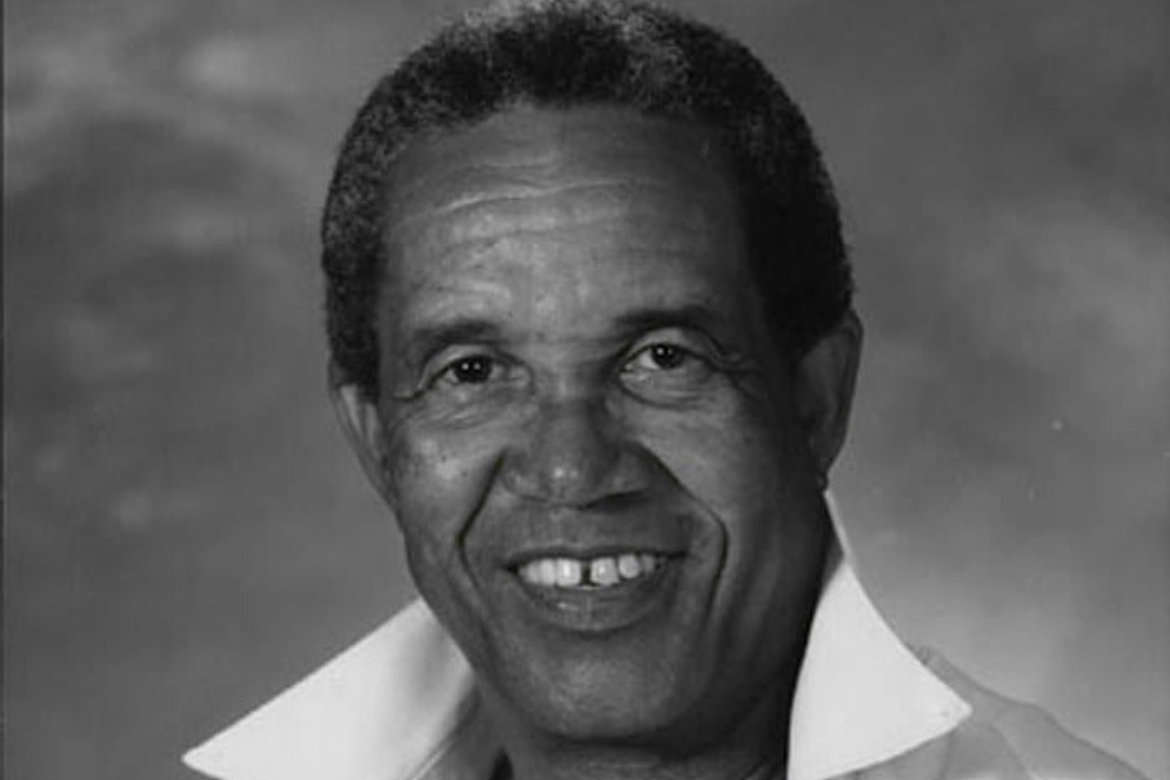
You feel the weight of cricket history the moment you hear the name, Sir Garfield Sobers. He changed how the game is played and how greatness looks, and this tribute shows why his skill, leadership, and quiet influence still matter to us. He will always be the game’s greatest all-rounder, whose batting, bowling in multiple styles, and fielding set standards that shaped West Indies cricket and inspired generations worldwide.
This tribute will share stories of his record-breaking innings, the famous six sixes over a county over, and the respect paid by modern stars and cricket bodies. These moments explain how a boy from Bridgetown grew into a global sporting figure and why the cricketing world mourns and celebrates him now.
Sir Garry’s Early Life
Sir Garry’s foundation is built on where he came from, who raised him, and how his first coaches and friends shaped his cricket. These details show how his childhood in Bridgetown set the stage for a rare all-round talent.
Growing Up in a Chattel House
Picture a modest chattel house in Bay Land, St Michael, Bridgetown, where Garry Sobers spent his childhood. He grew up at Walcott Avenue with five siblings. The house sat in a crowded neighborhood where children played in the streets and cricket was part of daily life.
His father, Shamont Sobers, died at sea in 1942 when Garry was very young. That loss left his mother, Thelma, as the main caregiver and shaped the family’s life. This lie changing experience and close community ties pushed Garry into early, practical lessons about work and sport.
His love for cricket was nurtured through local clubs and street games which gave him space to practice every day. Those informal sessions built his balance, timing, and natural athleticism. They also exposed him to older players who became early mentors and role models.
School Days in Barbados
Sir Garry attended the Bay Street Boys’ School, where he and his brother Gerald starred on the school team. The school stage was small, but it put him in competitive youth cricket and helped him to learn about teamwork and discipline.
At age 13, he played in the Barbados Cricket League for Kent St Philip and practiced with the Wanderers Cricket Club. He scored well in local trials and quickly moved from school cricket to first-class matches. His first-class debut came at age 16, which was testimony to his fast progression in the game of cricket.
His school life mixed education and study with constant cricket practice. Teachers and local coaches recognized his potential early and gave him match opportunities that accelerated his rise to the national stage.
Close Family and Friends
Sir Garry’s close circle included family members, childhood friends and cricket teammates. He was the fifth of six children, and his relationships with his siblings and cousins mattered. David Holford, one of his cricketing peers, remained part of Garry’s wider cricket family.
Local figures like Inspector Wilfred Farmer and club captains provided crucial chances for him to advance in cricket. Friends from Kent St Philip and the Wanderers kept him ready for selection to Barbados and then the West Indies. Those bonds gave him on-field support and off-field stability.
His neighborhood life created loyalty and mutual help. Peers pushed him in practice nets and shared the workload when his family needed it. Those everyday connections helped shape his character as a dependable team leader.
Legacy as the Greatest Cricketer
Sobers changed how the world measures cricketing greatness through batting, bowling, and fielding. He set standards for all-round performance, inspired generations of West Indies players, and drew praise from peers and cricket bodies worldwide.
Sir Garfield Sobers’ Place Among Cricket’s Elite
Sir Garfield Sobers is one of few in a small group called the greatest cricketers because of his records and impact. He scored 26,764 first-class runs with his highest Test score of 365 not out, a landmark that showed his capacity for long, match-defining innings. His left-handed batting mixed elegance and power, and that 365 not out stood as a world Test record for many years.
Sobers also changed match balance with left-arm spin and fast-medium bowling, taking 235 Test wickets. That dual threat underpins why many consider him a West Indies legend on par with Viv Richards and later greats. When you compare him to other icons like Jack Hobbs or Shane Warne, his statistical range across disciplines keeps him in elite conversation.
Defining the Role of the Best All-Rounder
The best all-rounder is someone who wins matches with both bat and ball – Sobers fit that role better than almost anyone. He could open an innings, bat through a day, or bowl long spells of spin or pace. That versatility let captains use him in multiple roles and gave the West Indies tactical depth across the 1950s and 1960s.
His all-round impact is measurable with match-winning centuries and five-wicket hauls that swung series results. Young West Indies all-rounders looked to him as the benchmark. By performing consistently at the highest level, Sobers defined what teams now expect from a genuine world-class all-rounder.
Recognition by Peers and Global Awards
Sir Garry receives consistent praise from fellow players, officials, and cricket bodies. Contemporary and later stars, including Sachin Tendulkar and Virat Kohli, publicly acknowledged his influence. Administrators and commentators called him an icon, and the International Cricket Council and national boards often list him among the sport’s all-time greats.
Honors such as knighthood and national recognition in Barbados reinforced his status beyond statistics. Cricket writers and former players placed him alongside names like Jack Hobbs and Viv Richards when ranking the game’s greatest. That peer recognition helped cement Sir Garry’s reputation as the greatest in many fans’ and experts’ minds.
Defining Career Achievements and Milestones
Sir Garfield Sobers built a career that combined huge batting scores, varied bowling, long service for the West Indies, and high honors. Key moments include the aforementioned record of 365 not out, six sixes in an over, decades as an all-round Test player, and national and international awards.
Record-Breaking Innings and Test Career
One of the highlights of Sir Garry’s career was his 365 not out, which is central to his batting legacy. He scored that innings against Pakistan in 1958, setting the highest individual Test score at the time. That not out total stood as the benchmark until later surpassed, but it remains one of the game’s great long innings.
Across 93 Test matches, you can point to his balance of runs and wickets: over 8,000 Test runs at an average near 58 and 235 Test wickets. He played Tests from 1954 to 1974, showing both longevity and consistent world-class performance. His first-class figures—more than 28,000 runs and 1,000+ wickets—reinforce how he excelled in every format of multi-day cricket.
Leadership and Captaincy
Sir Garry captained the West Indies from 1965 to 1972. Under his leadership, the team developed a stronger international profile and he led by example with bat and ball. His tactical choices and calm presence helped young stars mature during a key era for Caribbean cricket.
He also captained a Rest of the World XI in 1970, showing respect from international peers. Cricket West Indies and later administrators cited his captaincy when discussing leadership standards. His time as captain overlaps with many of his peak personal performances, which helped set team standards on and off the field.
Six Sixes in an Over: A Historic Feat
You might already know about the famous moment in 1968 when he hit six sixes in one over. Facing Glamorgan spinner Malcolm Nash while playing for Nottinghamshire in a county match, he struck every ball for a maximum. That achievement made headlines worldwide.
This feat showcased his power hitting and variety; he could change tempo in an instant. The instance is often mentioned alongside his 365 not out when people explain why he is called cricket’s greatest all-rounder. It also influenced how players and fans saw fast scoring and batting aggression in the longer formats.
Accolades and Honors
Sir Garry received many formal honours. He was knighted in 1975 for services to cricket and named a National Hero of Barbados by act of Parliament in 1998. Internationally, he entered the ICC Cricket Hall of Fame and earned Wisden recognitions, including Cricketer of the Year and later inclusion among the century’s best.
Cricket West Indies, the ICC, and national bodies publicly paid tribute after his death on 17 July 2026, reflecting his lasting impact. Trophies and awards—such as the Sir Garfield Sobers Trophy—carry his name and keep his career achievements visible to new generations.
Influence on West Indies Cricket and National Identity
Sir Garry is the perfect example of how one person’s play, leadership, and presence changed cricket in the Caribbean and how people see themselves. His career linked local pride in Barbados with the wider identity of West Indies cricket.
Inspiration for Barbados and the Caribbean
The Garry Sobers story is often one of the most talked about in crowds at Kensington Oval and in schoolyards across Barbados. Young players grew up copying his stance, stroke play, and variety of skills. His performances for Barbados showed that local talent could succeed against top teams from England and Australia.
His fame gave people a concrete symbol of achievement. Schools, clubs, and youth programs used his name to attract players and funding. The Sir Garfield Sobers Under-19 tournaments and coaching events helped develop new batsmen, bowlers, and leaders across the islands.
There was also civic recognition, which revealed deep love and respect for a son of the soil. Barbados named him a National Hero, and public tributes reinforced his role as a model for discipline, sportsmanship, and national pride. That recognition made cricket and sports a path to wider social respect for many young Barbadians.
Contribution to West Indies Cricket
Sir Garry’s all-round skill in specific matches and tours changed outcomes and raised standards for the team. His ability to bat long innings, bowl fast or spin when needed, and field sharply added tactical options that captains relied on.
Cricket West Indies benefited from his international reputation. He drew crowds, boosted the team’s profile, and helped build a professional culture in the squad. Captains and coaches later used his example to teach versatility and adaptability to new generations.
He also influenced leadership and mentorship. He supported youth programs and lent his name to tournaments that produced future West Indies players. That practical investment helped maintain a pipeline of talent for the regional side.
Role as a National Hero of Barbados
Cricket fans can experience his legacy each time the nation honors him at Kensington Oval or during national ceremonies. The title National Hero of Barbados elevated his status from sports icon to a public figure representing national values.
That status led to official events, state condolences, and monuments that keep his story visible. There are plaques, named stands, and archives that preserve match footage and interviews for students and fans.
As a National Hero, he shaped public conversations about achievement, race, and Caribbean identity. His life became a reference for policies and programs aiming to use sport for education, youth development, and national unity.
Tributes from Cricketing Legends and the Global Community
Since his passing, there have been tributes from current stars, official reflections from the sport’s governing body, and wide messages from boards, former players, and fans that show how Sobers shaped cricket.
Words from Contemporary and Modern Players
Virat Kohli and other leading players named Sir Garfield Sobers as a personal and professional inspiration. Kohli paid an emotional tribute highlighting Sobers’ skill across batting, bowling, and fielding, and said his influence reaches young players today.
Cricketing great Sachin Tendulkar noted specific memories and lessons he took from Sobers’ career. Tendulkar called him “the one and only” and recalled moments that taught excellence and sportsmanship. These personal notes show how you can trace modern technique and confidence back to Sobers’ example.
Several tributes reveal players emphasizing his all-round impact. They mention signature feats—big hitting, seam and spin bowling, and brilliant fielding—and stress how those skills remain a benchmark for every cricketer aiming to master multiple disciplines.
Reflections by International Cricket Council
The International Cricket Council, led by ICC Chairman Jay Shah, issued a formal statement honoring Sobers as one of the game’s greatest icons. Shah described Sobers’ rare ability to change a match with bat, ball, or in the field, and noted his role in shaping West Indies cricket during a celebrated era.
The ICC highlighted Sobers’ legacy beyond statistics. They pointed out his influence on standards, conduct, and global appeal, and recommended that future generations study his technique and temperament. Jay Shah’s words framed Sobers as both a record-holder and an ambassador who helped grow the sport.
You can read the ICC message as a call to preserve Sobers’ achievements in coaching, archives, and public memory. The body urged boards and academies to teach his approach to all-round excellence.
Messages from the Cricketing World
Boards, former players, and fans worldwide sent condolences and stories. The BCCI, national boards, and former Indian captains like Sourav Ganguly and Ravi Shastri publicly mourned the loss. Many described Sobers as a bridge between cricket’s past and present.
Regional leaders and the West Indies team observed moments of silence and released tributes that stressed national pride. There are several posts from clubs, commentators, and supporters recalling specific matches, famous sixes, and turning spells that defined Sobers’ career.
These messages combine respect and personal memory. They show how a West Indies legend became a global figure whose achievements inspired players, administrators, and fans across generations.
Impact Beyond the Boundary
Sir Garry’s influence went past runs and wickets. His behavior on and off the field shaped young players, his name guides coaching and values, and people remember him in places from Barbados to Lord’s.
Sir Garfield Sobers as a Role Model
Sir Garfield St Auburn Sobers is a model of skill paired with dignity. As someone often called Sir Garry and hailed as the greatest cricketer, he showed versatility by batting with grace, bowling with variety, and fielding with athleticism. Young players can learn from specific examples he set such as how to switch styles mid‑match, how to stay calm under pressure, and how to value teamwork over individual glory.
His conduct off the field mattered as well. He accepted awards, mentored teammates, and spoke for West Indies cricket during important moments. When you study his career, you see practical lessons that consisted of practice routines, match temperament, and the importance of adapting your game. Coaches still point to his innings and bowling spells when teaching technique and cricket intelligence.
His Enduring Legacy for Future Generations
Sir Garfield’s legacy has been noted in coaching manuals, youth programs, and the way cricketers measure all‑round excellence. His name—Sir Garfield or simply Sobers—often marks standards for aspiring all‑rounders who want to bat, bowl, and field at elite levels. National academies in the Caribbean and clubs in England and Australia cite his performances when explaining what a complete cricketer looks like.
Beyond technique, his story informs values. His career highs and lows teach about resilience and about leadership from how he carried himself as a national hero. He is one of the most influential cricketers of all time and he his presence will forever shape selection criteria and role modeling in youth development.
Memorials and Remembrance
There will be memorials that will keep Sir Garry’s memory alive across the cricketing world. In Barbados, tributes and public ceremonies will continue to honor Sir Garfield St Auburn Sobers as a national hero. Cricket boards and clubs have held minutes of silence at cricket matches and special events since his passing.
Physical memorials and media tributes will also be notable examples of remembrance. Statues, plaques at grounds, and museum exhibits will preserve artifacts and match records for fans and students of the game. Broadcasters will replay key innings and bowling spells during anniversaries, and cricket halls of fame will list his achievements to guide public memory. These acts will help us connect with his life and learn from his example.
Frequently Asked Questions
Here are some useful questions and answers Sir Garry’s skills, records, the six-sixes over, the bowler involved, and his impact on West Indies cricket. Each answer gives specific facts you can use quickly.
What made Sir Garfield Sobers one of cricket’s greatest all-rounders?
His rare combination of batting, bowling, and fielding skills make him the world’s greatest all-rounder. He scored heavily as a left-handed middle-order batsman, took wickets with multiple bowling styles, and was a highly skilled close fielder.
He also adapted his role by bowling left-arm fast-medium, orthodox left-arm spin, and wrist spin when needed. That versatility let captains use him in many match situations.
What were Sir Garfield Sobers’ most important achievements and records?
He scored 8,032 Test runs at an average near 58 and made 26 Test centuries. He also took 235 Test wickets across a 20-year international career.
His 365 not out in 1958 set the world Test record for highest individual score for 36 years. He was also knighted in 1975 and later named a national hero of Barbados in 1998.
Did Sir Garfield Sobers ever hit six sixes in a single over?
Yes. He became the first player to hit six sixes in one over in a first-class match. That feat was a rare, world-famous moment in his career.
Where did the famous six-sixes over take place, and what year was it?
The over occurred in Swansea, Wales. It happened in 1968 during a county match while he played for Nottinghamshire.
Who was the bowler during Sir Garfield Sobers’ six-sixes over?
The bowler was Malcolm Nash, who bowled left-arm seam and was experimenting with spin that day. Nash and Sobers later remained on friendly terms after the match.
What is Sir Garfield Sobers’ lasting legacy for West Indies cricket?
You can see his legacy in the all-round standard he set for future players. His batting record, multi-style bowling, and international stature helped elevate West Indies cricket on the world stage.
His name now appears on awards and public memorials, and younger players often cite him as a model of skill and professionalism.
Sir Garfield Sobers redefined all-round excellence and left a lasting mark on the sport. His records and moments helped shape Barbados’ West Indies cricket’s identity. He touched many throughout his life and on his passing, tributes from players and institutions show his global influence.
Image: Barbados Government Information Service